

It happens late at night.
The house is quiet. The phone glows in your hand. One scroll turns into another.
A bride drifts down a flower-lined aisle. A couple kisses beneath a canopy of lights. Everything looks effortless. Cinematic. Perfectly timed.
And somewhere between one reel and the next, a quiet question settles in:
Is this what a wedding is supposed to look like?
For many couples planning weddings in Kenya today, social media has become both an inspiration and a source of pressure. Instagram and TikTok offer beauty, order, and moments that unfold exactly on cue.
Real weddings, however, rarely follow scripts.
That isn’t a failure.
It’s the truth.
And when couples understand that truth early, planning becomes lighter, clearer, and far more meaningful.
Below are lessons drawn from real Kenyan weddings, not curated highlights, but lived experiences, offering a grounded way to bridge the gap between social media weddings and reality.
Aura Kenyan Weddings
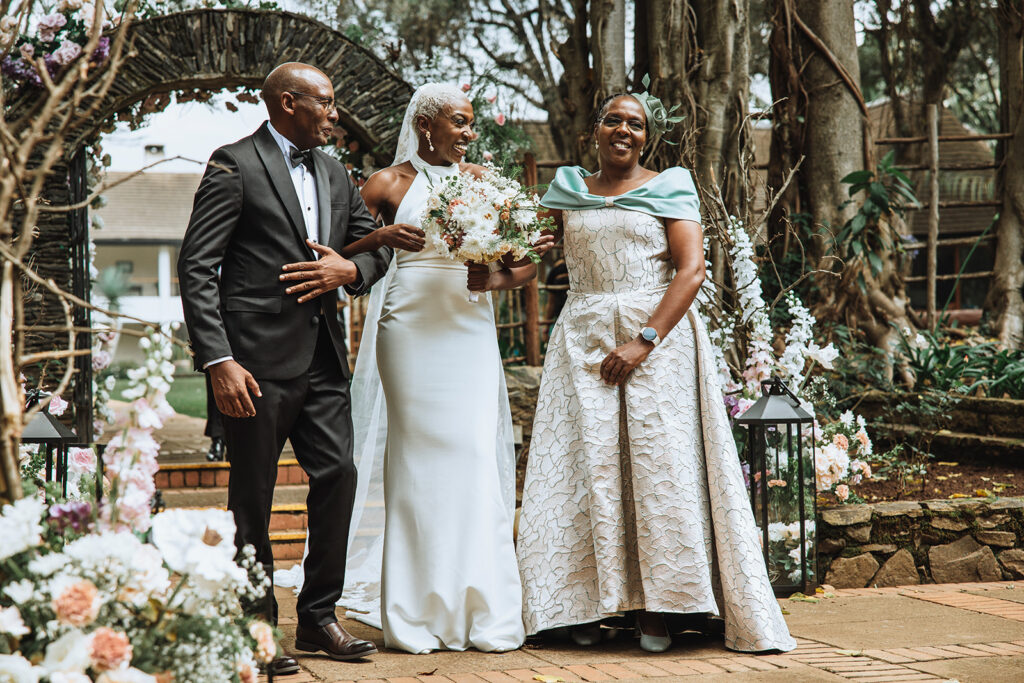
Lesson 1: Feelings Last Longer Than Frames
Why emotional experience matters more than wedding aesthetics
Social media weddings are often designed with the camera in mind. Real weddings are built for the people inside them.
Online, moments arrive neatly packaged: a perfectly timed entrance, a groom’s reaction captured from three angles, guests smiling in the background as if rehearsed.
What isn’t shown is everything surrounding those moments, the waiting, the nerves, the interruptions, the humanity.
At real Kenyan weddings, timelines stretch. Aunties arrive late. A cousin insists on an unplanned speech. The music starts before everyone is seated. The schedule bends.
And somehow, the day still works.
Years later, guests won’t remember the exact shade of the flowers or whether the aisle runner matched the chairs. They’ll remember how they felt. Whether they were welcomed. Whether the day felt warm, generous, alive.
This can feel at odds with a culture shaped by Instagram wedding inspiration. The instinct is to perfect the visuals first. But weddings that feel good almost always photograph better anyway, because emotion translates, even through a lens.
A wedding that feels good will always outlast one that only looks good.
The truth about Kenyan wedding schedules
If social media teaches one misleading lesson, it’s that weddings run on time.
Anyone familiar with Kenyan weddings knows better.
Traffic happens. Makeup runs late. A key family member hasn’t arrived. A traditional ritual stretches longer than planned because it matters to the elders present. Weather shifts. Sound systems need fixing.
For couples planning weddings in Kenya, this can feel stressful, especially when compared to tightly edited online videos where everything appears seamless.
But guests aren’t measuring your wedding by the clock.
They’re watching how the day feels.
Are you tense or present? Frantic or grounded? Treating delays as disasters or as part of the day’s natural rhythm?
Some of the most meaningful moments happen because the schedule loosens. Conversations deepen. Laughter spills over. People linger.
Connection doesn’t need precision; it needs space.
Hospitality, not extravagance, defines great weddings
Scroll through wedding trends in Kenya online, and guests often appear as scenery, beautifully dressed, smiling, and interchangeable.
In real Kenyan weddings, guests are central.
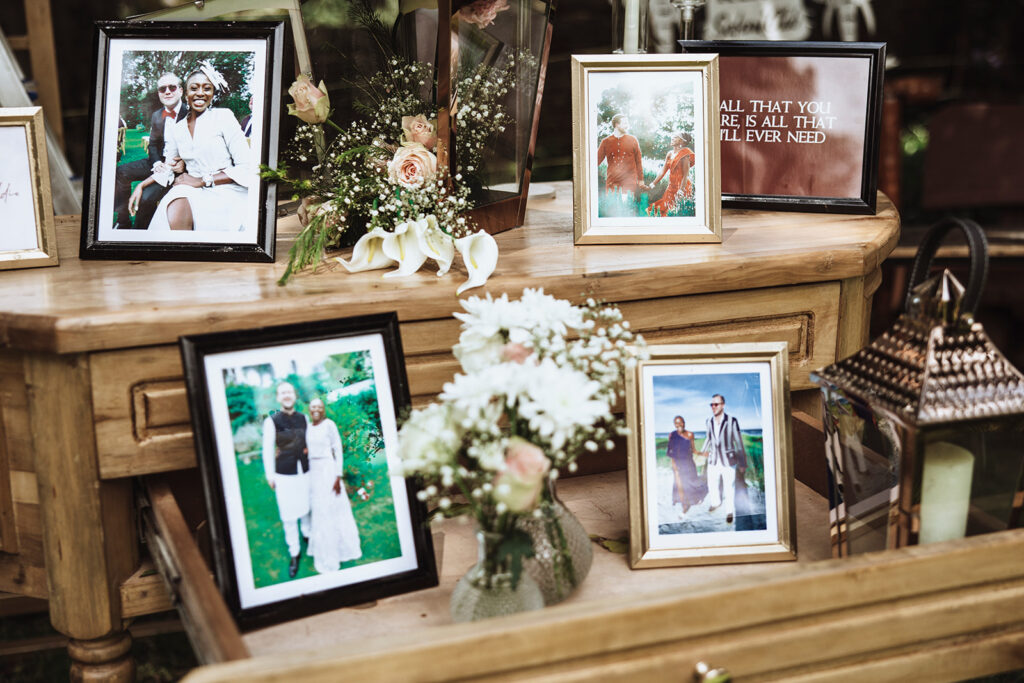
From the way they’re welcomed to how clearly they’re guided, to whether food arrives while it’s still hot, hospitality shapes the entire experience. A modest setup, paired with genuine care, often leaves a stronger impression than an extravagant one that overlooks the people inside it.
There’s pressure to impress. To “do it big.” To make it look expensive.
But guests don’t come to be impressed.
They come to witness.
To celebrate.
To feel included.
A handwritten note, a warm welcome, thoughtful seating, smooth flow, these linger far longer than dramatic installations.
A wedding where people feel seen will always be remembered more fondly than one where everything looked expensive but felt distant.
Balancing modern weddings and Kenyan culture
Social media weddings often flatten culture. Traditions are trimmed, shortened, or aestheticised to fit a modern visual narrative.
Real Kenyan weddings remind us that tradition isn’t decoration.
It’s grounding.
Whether it’s a dowry ceremony, a blessing from elders, or cultural rituals woven into the day, these moments anchor the wedding in something deeper than trends. They explain why the day matters, not just how it looks.
For couples navigating modern Kenyan wedding planning, this can feel like tension, how to honour culture without feeling outdated.
But tradition doesn’t compete with modernity.
It gives it weight.
When traditions are honoured intentionally and explained with care, guests lean in. They don’t scroll. They listen. They understand.
Long after trends fade, tradition remains legible.
Aura Kenyan Weddings
Lesson 5: Imperfection Is Often the Highlight
Why real weddings outshine curated perfection
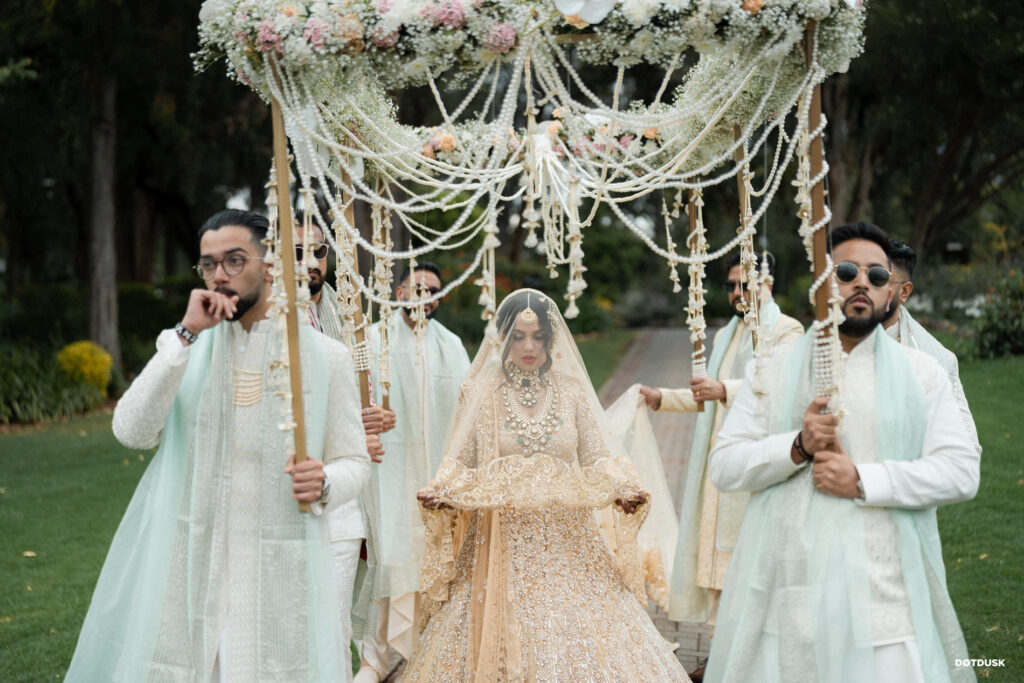
The most viral wedding clips are flawless. Real weddings are human.
A child wanders into the aisle. The rings go missing. Rain arrives uninvited. A song starts off-key and somehow becomes beautiful.
These moments don’t ruin weddings.
They animate them.
For couples caught in the pressure of wedding expectations vs. reality in Kenya, this realisation can be freeing. Perfection is fragile. It cracks under pressure. Imperfection invites presence.
When things go slightly awry, people tend to relax. They stop performing. They start participating.
Ironically, the moments you can’t plan often become the ones you treasure most.
Social media isn’t the enemy. It’s a tool, and like any tool, it needs boundaries.
Wedding inspiration online can spark ideas and introduce possibilities. Problems arise when inspiration turns into comparison.
A helpful question to ask while scrolling is simple: “Is this giving me ideas, or making me anxious?”
Realistic wedding planning in Kenya requires filtering inspiration through context, budget, family dynamics, culture, and values. Not every trend travels well. Not every aesthetic fits every story.
Your wedding doesn’t need to resemble someone else’s to be meaningful.
At its core, a wedding isn’t content.
It’s a gathering.
It’s families negotiating space, joy, and expectation in real time. It’s history meeting hope. It’s people showing up imperfectly and wholeheartedly.
When couples shift their focus from “How will this look online?” to “How will this feel in the room?”, Something changes. The day becomes lighter. More forgiving. More real.
That’s the part social media can’t fully teach.
Aura Kenyan Weddings
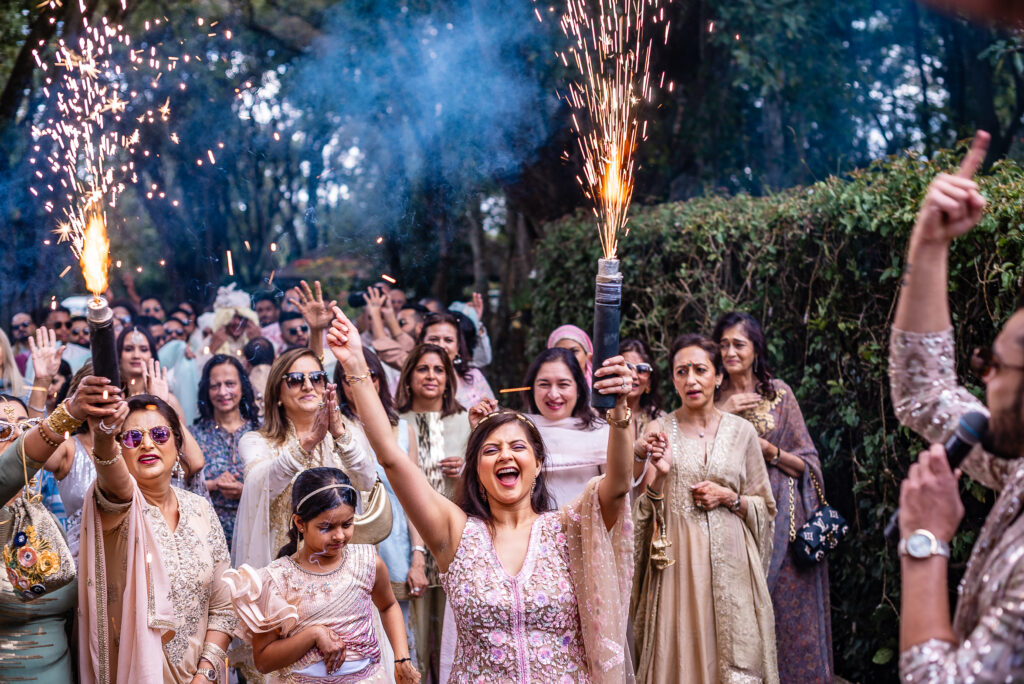
This is where intentional planning matters, not to chase perfection, but to protect experience.
When design, flow, logistics, and emotion are aligned, couples are freed from managing moments. They’re able to live them.
In the End, What Stays…
In years to come, trends will shift. Filters will date. Photos will settle quietly into albums.
What remains is how the day felt.
The laughter.
The warmth.
The sense of being held by a community.
Social media may inspire the idea of a wedding. But reality is what gives it meaning.
And when couples choose presence over performance, they don’t just create a wedding.
They create a memory that lives far beyond the frame.
At Aura, we plan Kenyan weddings with a deep understanding of culture, family dynamics, and modern expectations, so your day feels grounded, not overwhelming. Beautiful, but never performative. Thoughtful, not pressured.
Because a wedding shouldn’t feel like a production.
It should feel like yours.